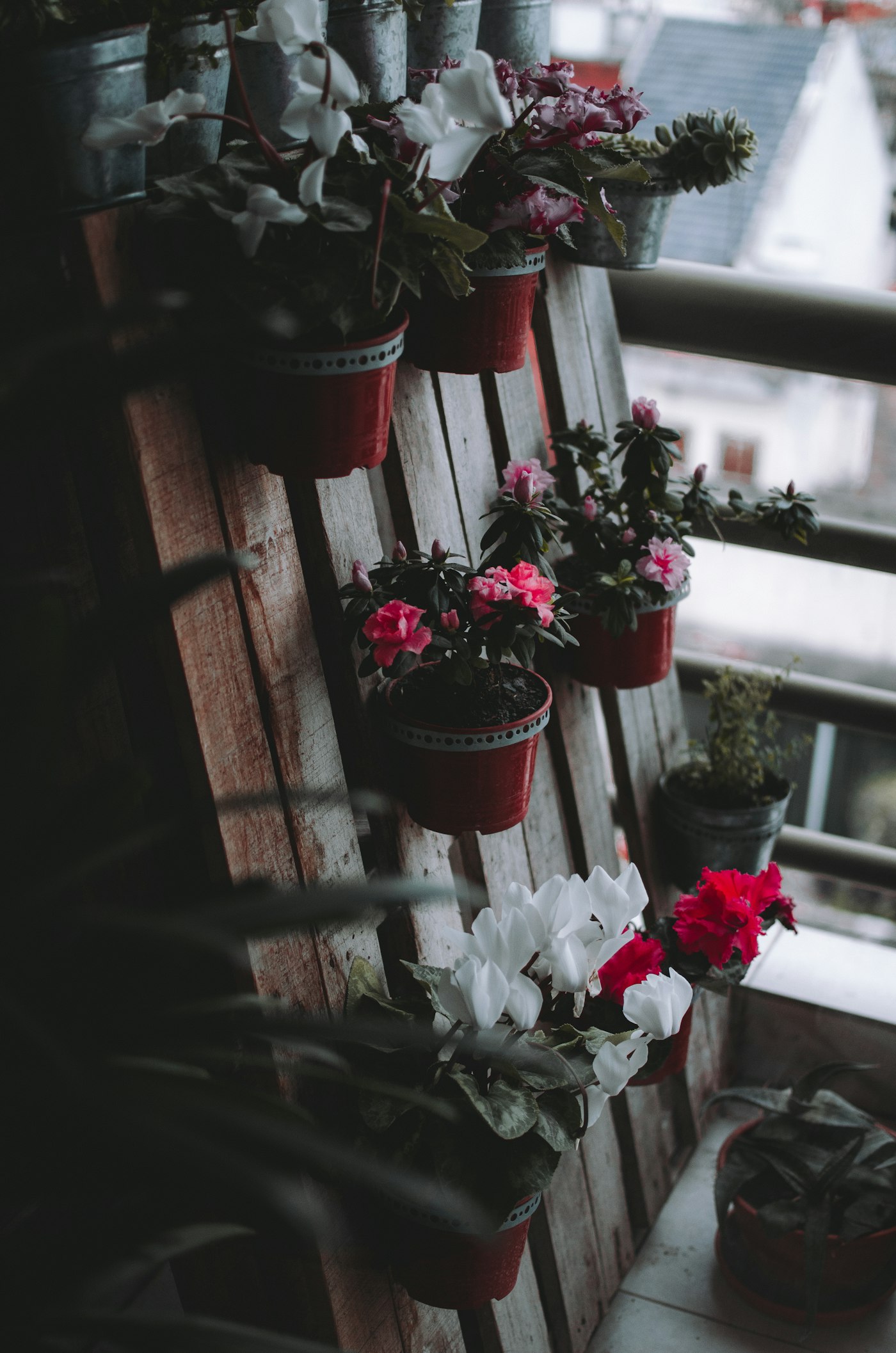
“Full sun” flowers on the seed rack cover most of what’s marketed to home gardeners, which makes a shaded balcony feel like a dead end. It isn’t — there’s a real, if shorter, list of flowering plants that bloom reliably with 2–4 hours of direct sun or bright indirect light all day.
What “shade” actually means for a balcony
Balcony shade usually isn’t the deep shade of a forest floor — it’s more often a few hours of direct morning or evening sun plus bright ambient light the rest of the day, from an overhang, a neighboring building, or the balcony above. That distinction matters: plants labeled for “part shade” or “part sun” are usually bred for exactly this condition, not for near-total darkness.
Reliably good in partial shade (2–4 hours direct sun)
Begonias — one of the most dependable shade-flowering plants available, with continuous blooms through the season and minimal fuss. Tuberous and wax begonias both perform well in containers.
Impatiens — extremely free-flowering in shade, though they’re thirsty and wilt fast if a container dries out; pair well with a self-watering planter for exactly this reason.
Fuchsia — showier, pendulous blooms that specifically prefer some shade over full sun, especially in hot climates where afternoon sun can scorch the leaves.
Astilbe — a perennial with feathery flower plumes, good for a container that stays in place year-round rather than being replanted seasonally.
Torenia (wishbone flower) — less common in garden centers but reliably floriferous in shade, with a long bloom window through summer into fall.
Tolerant of deeper shade (bright indirect light, minimal direct sun)
Coleus — grown as much for foliage color as flowers, but it does flower, and it’s one of the few plants that genuinely thrives with almost no direct sun.
Lobelia — small but abundant blue or purple flowers, works well trailing over the edge of a railing planter where it gets filtered light most of the day.
Sweet alyssum — technically prefers some sun but tolerates shade better than most low-growing flowering annuals, and its scent is a nice bonus in a tight space.
What to skip
Sun-loving annuals like petunias, marigolds, and zinnias are sold everywhere and look appealing on the shelf, but in a genuinely shaded spot they produce leggy growth and sparse, weak blooms. If you’re set on one of these, it needs the brightest corner of the balcony you have — don’t expect it to perform in a spot that reads as “shady” most of the day.
A note on containers
Shade-tolerant flowers still benefit from the same fundamentals as anything else in a pot — real drainage, appropriately sized containers, and regular feeding once the potting mix’s starter fertilizer runs out. See common container gardening mistakes for the failure modes that apply regardless of how much light a plant is getting.